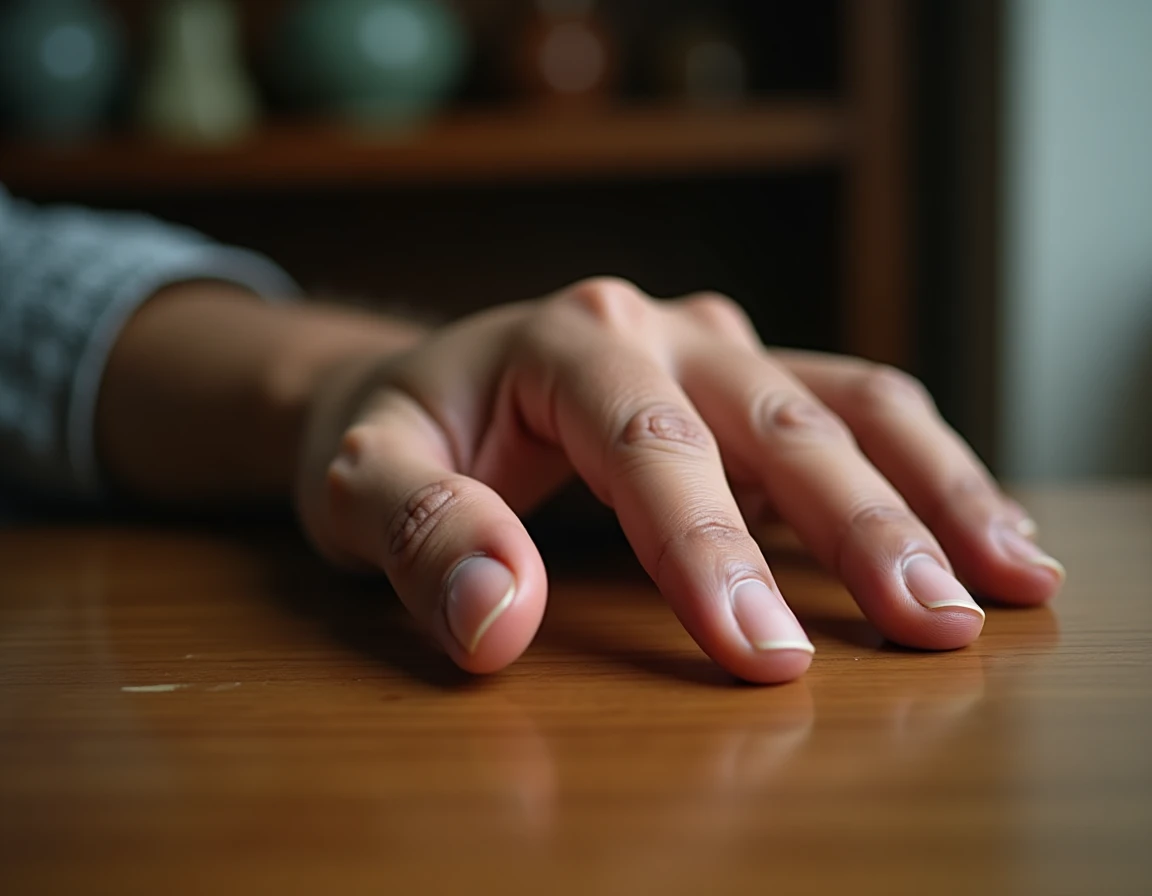
Have you ever noticed, during a handshake or on public transport, a pinky nail that is noticeably longer than the others? This detail, often seen as a peculiarity in Europe, carries very different meanings depending on the regions of the world. The long nail on the pinky is neither a forgotten manicure nor a gratuitous eccentricity. Behind this practice lie social codes, concrete usages, and beliefs that have traversed the centuries.
The long pinky nail in the Ottoman Empire and Tsarist Russia
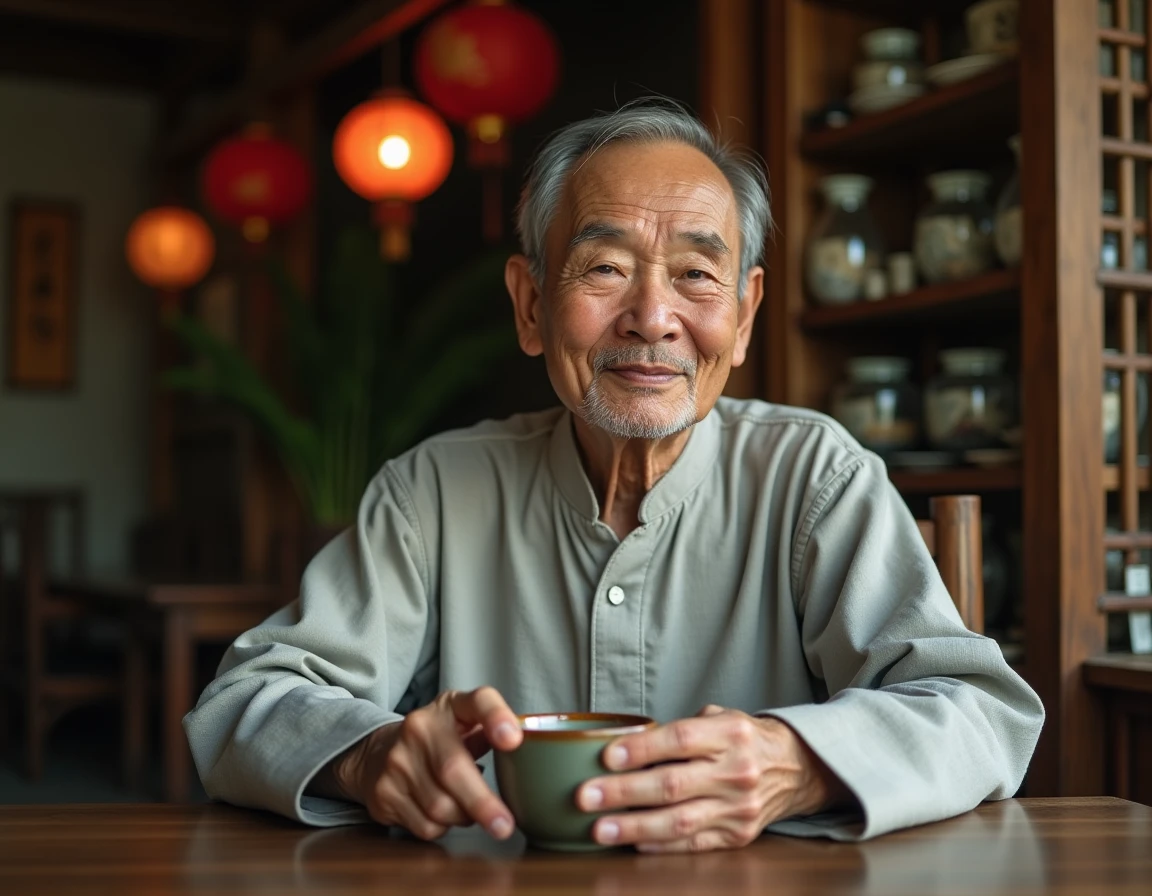
The most documented explanation dates back to the Ottoman Empire. Men of high rank would grow their pinky nail to publicly signify that they did not work with their hands. A long nail proved the absence of manual labor. This visual code functioned as a caste marker, readable by all without a word being exchanged.
This same logic can be found in 19th century Russia. In Anna Karenina, Tolstoy describes an exchange between a country nobleman and a Moscow prince. The former notes that city dwellers wear accessories on their wrists and maintain long nails to show that they do not need to use their hands. The scene illustrates how deeply the meaning of the long pinky nail was embedded in the class relations of the Russian aristocracy.
In Algiers, in the 1950s, witnesses reported observing this same practice among some men, likely inherited from Ottoman influence in the region. In China, business leaders still sport a long pinky nail today as a symbol of idleness and high social status.
Practical uses attributed to the long pinky nail
Not everyone who has a long pinky nail does so to display status. In several regions of the world, this nail serves very concrete, sometimes surprising functions.
- In Pakistan, particularly among textile vendors, the explanation given is sometimes disarmingly simple: the nail is used to scratch the inside of the ear. Several testimonies converge on this point, with a touch of humor.
- In some disadvantaged areas, the long nail serves as a daily tool: opening envelopes, peeling labels, scraping surfaces, handling small objects. The pinky, being less used than the other fingers, is well-suited for this purpose.
- Practitioners of traditional Chinese medicine use a long nail to stimulate specific acupuncture points, in addition to needles or manual pressure.
These uses show that a purely symbolic reading covers only part of the reality. The long pinky nail often has an instrumental function that varies according to profession, region, and personal habits.
Beliefs and superstitions related to the pinky
Why the pinky and not another finger? In many cultures, the pinky is associated with specific beliefs. Its small size and position at the end of the hand give it a unique status, often linked to luck or protection.
In some folk traditions, keeping a long nail on the pinky is said to ward off the evil eye. Others see it as a means to attract prosperity. The boundary between superstition and folklore remains blurred depending on the regions, and explanations can even vary within the same family.
What emerges from these beliefs is that they mix very different registers: moral reading, spiritual protection, sign of distinction. The same gesture can be perceived as a good luck charm in one village and as a sign of vanity in the neighboring city. No interpretation universally dominates.
A practice often misunderstood in the West
In Europe and North America, the long pinky nail has long been associated with substance use. This reductive reading ignores the historical depth and cultural diversity of the practice. Reducing the long pinky nail to a single use is an interpretative error that persists in the Western imagination.
People who wear this attribute today sometimes do so as a conscious aesthetic choice, a coding of subculture, or simply out of family habit passed down without precise explanation. The practice has not disappeared: it has transformed.
Long pinky nail today: style marker or cultural heritage
Are you wondering if this practice still holds meaning outside of history books? The answer is yes, but the meaning has changed. The long pinky nail functions less and less as a sign of social status readable by all. It becomes more of a personal choice, sometimes claimed as a marker of identity.
In certain communities, particularly in Réunion or the Caribbean, the practice remains visible and sparks discussions about its origins. Explanations oscillate between cultural heritage, a nod to family tradition, and simple aesthetic preference.
The interpretation depends as much on the observer as on the wearer. The same long nail may be read as a symbol of wealth by one person, as a practical tool by another, and as a peculiarity by a third. This polysemy is part of what makes the practice persistent: everyone projects what they know onto it.
What distinguishes the long pinky nail from other body codes is precisely the absence of a single, fixed meaning. The practice transcends time because it adapts to contexts. A gesture that meant “I do not work” in the Ottoman Empire can mean “I choose my appearance” on a street in Paris or Fort-de-France. The detail remains the same, but the world around it has changed.