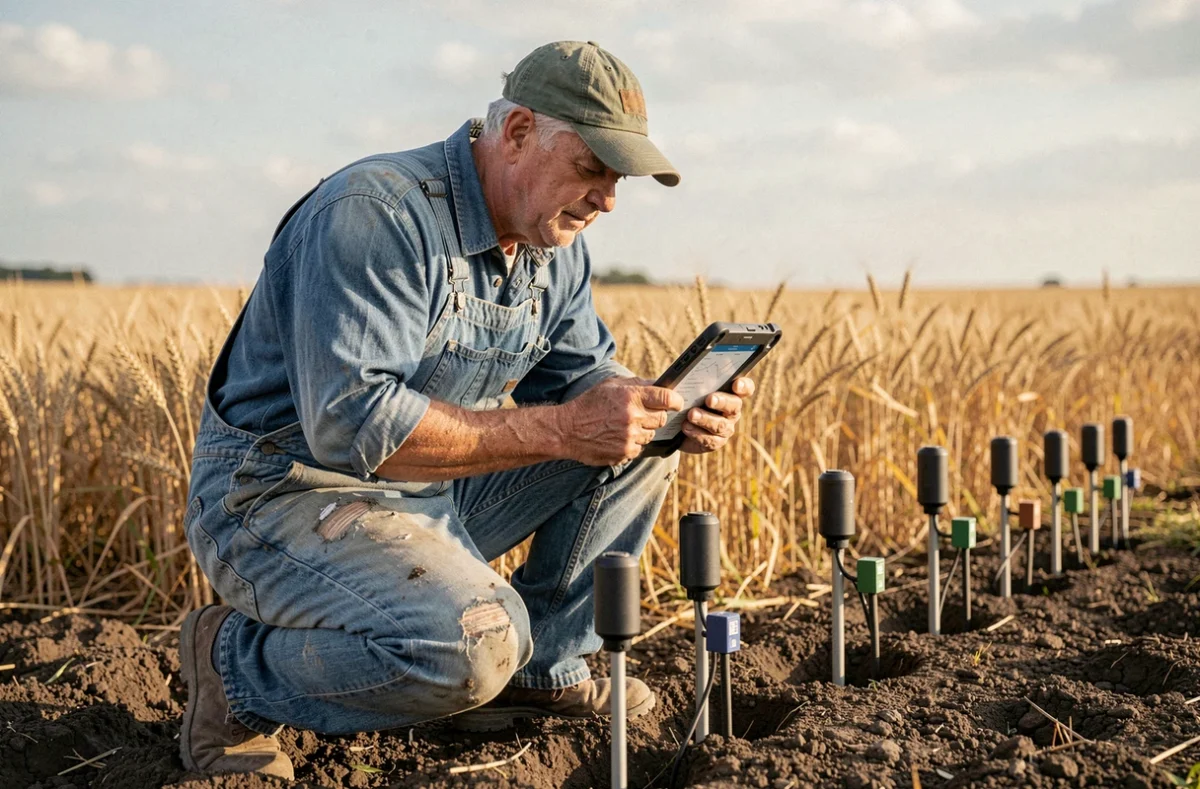
The AgRI 2040 strategy published by the European Commission in September 2026 repositions agricultural innovation priorities around three axes that are rarely addressed together: soil health, bioeconomy, and resilience of rural areas. This framework concretely modifies funding orientations for the European agricultural sector, and its effects are already being felt in the programming of Horizon Europe 2028-2034.
AgRI 2040 Strategy: What the New European Framework Changes for Agricultural Innovation
The European Commission launched its agri-food innovation strategy, named AgRI 2040, on September 8, 2026. The text places soil health and agroecosystems on the same level as digitization and robotics in the hierarchy of priorities. This marks a clear shift from previous programs that concentrated most funding on production technologies at the plot level.
The new funding architecture will be articulated in Horizon Europe 2028-2034 and in certain components of the future European Fund for Competitiveness. Farms that direct their projects towards the diversification of agri-food value chains or bioeconomy will have access to dedicated budget lines.
We observe that this strategy explicitly integrates joint innovation between agriculture and rural areas. Projects that involve farmers, local authorities, and food transformation actors will be prioritized in calls for projects. A point that sectors would benefit from anticipating now, as regularly reported by Loisiragri’s news site in their coverage of sector developments.
Agricultural Bioeconomy: An Underestimated Diversification Lever
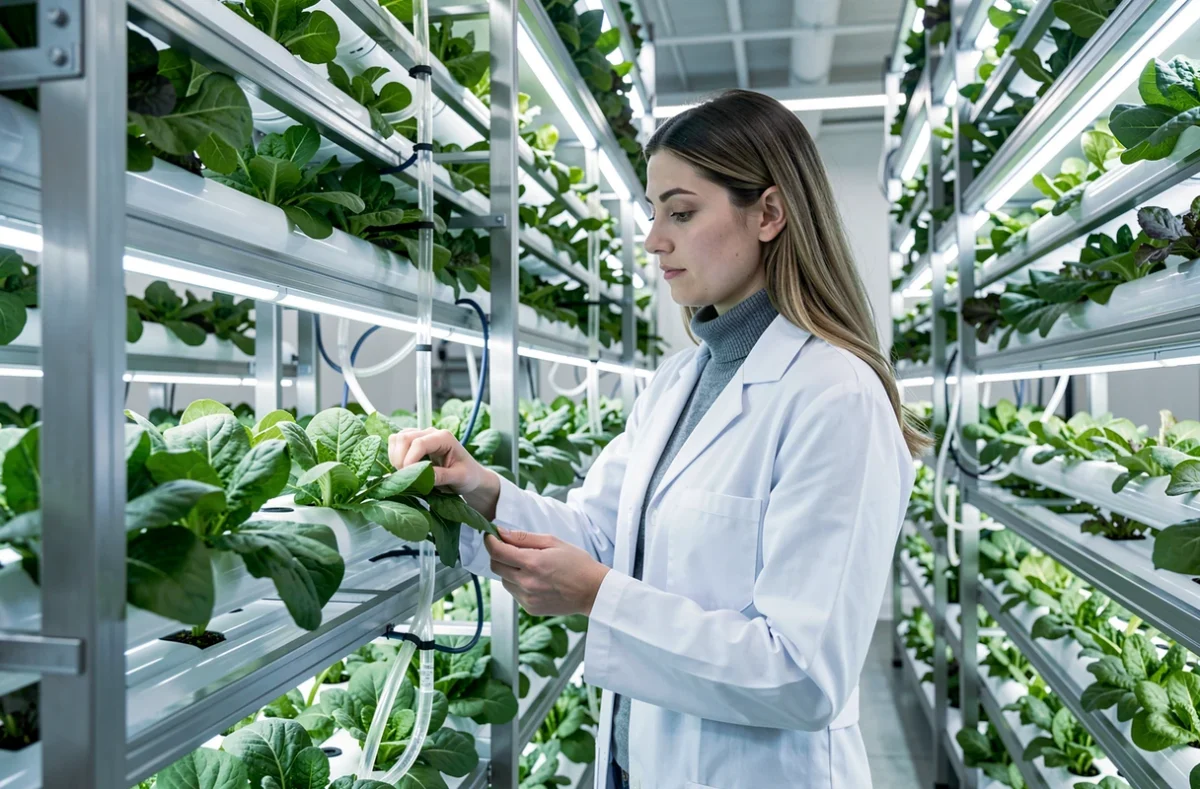
Bioeconomy remains a blind spot in most French farms. The AgRI 2040 strategy positions it as a priority area, which goes beyond mere programmatic discourse: European funding will follow.
Specifically, bioeconomy in an agricultural context encompasses the valorization of plant and animal co-products, the production of biomaterials, methanization circuits coupled with crops, and integration into green chemistry sectors. Farms that diversify their outlets beyond food reduce their exposure to market fluctuations.
The strengthening of agri-food value chains, as formulated by the Commission, also targets intermediate circuits between production and transformation. Cooperatives and groups that invest in traceability, packaging, or local logistics position themselves in high value-added segments.
Selection Criteria for Bioeconomy Projects in Future European Calls
- Territorial dimension: the project must involve at least two links in the local value chain (production, transformation, distribution)
- Measurable impact on the ecological resilience of the farm, particularly through soil health indicators
- Replicability: solutions must be transferable to other production basins without complete redesign
- Integration of digital tools for monitoring and managing agronomic data
Digital Agriculture in France: Sensors, Artificial Intelligence, and Data Management
The development of digital agriculture in France is accelerating. Ground sensors, artificial intelligence applied to crop decisions, weeding robots, and parcel management software are transforming farm management. The Ministry of Agriculture published a status report in September 2026 that confirms this underlying trend.
The Ministry’s June 2026 technology watch letter mentions several concrete advances: a white paper on generative AI in agriculture, robots mapping soil moisture to manage irrigation, and virtual fencing systems for grazing. These solutions are no longer prototypes: they are entering the commercial deployment phase.
Agronomic Data: The Governance Question
The issue is no longer solely about data collection via sensors, but about their governance. Who owns the data generated by sensors embedded on a tractor or drone? What access does the farmer have once the data is processed by a digital solutions provider?
These questions become structural as farms equip themselves. Control over agronomic data conditions the decision-making autonomy of the operator. We recommend that farmers demand portability and ownership of their data in any agritech service contract.
Innovations in Agro-Equipment: Signals from the EIMA 2026 Awards
The EIMA 2026 awards recognized sixteen significant innovations. The trends emerging from this confirm a focus on optimizing the operation of agricultural machines and tools, with an emphasis on reducing energy consumption and the modularity of equipment.
The awarded solutions increasingly integrate software components. A tractor is no longer differentiated solely by its engine power but by the quality of its control interface, its regulation algorithms, and its compatibility with parcel data management platforms. Agricultural equipment is becoming a link in the farm’s information system.
This evolution requires farmers to upskill on embedded digital tools. Training offered by manufacturers or agricultural chambers does not always cover interoperability between different brand equipment, a recurring friction point in the field.
Agritech and Robotics Startups: Beyond the Showcase Effect
The French agritech startup sector remains dynamic, but the consolidation phase is underway. Funding rounds are focusing on solutions that have demonstrated a measurable return on investment in real conditions, not just in experimental stations.
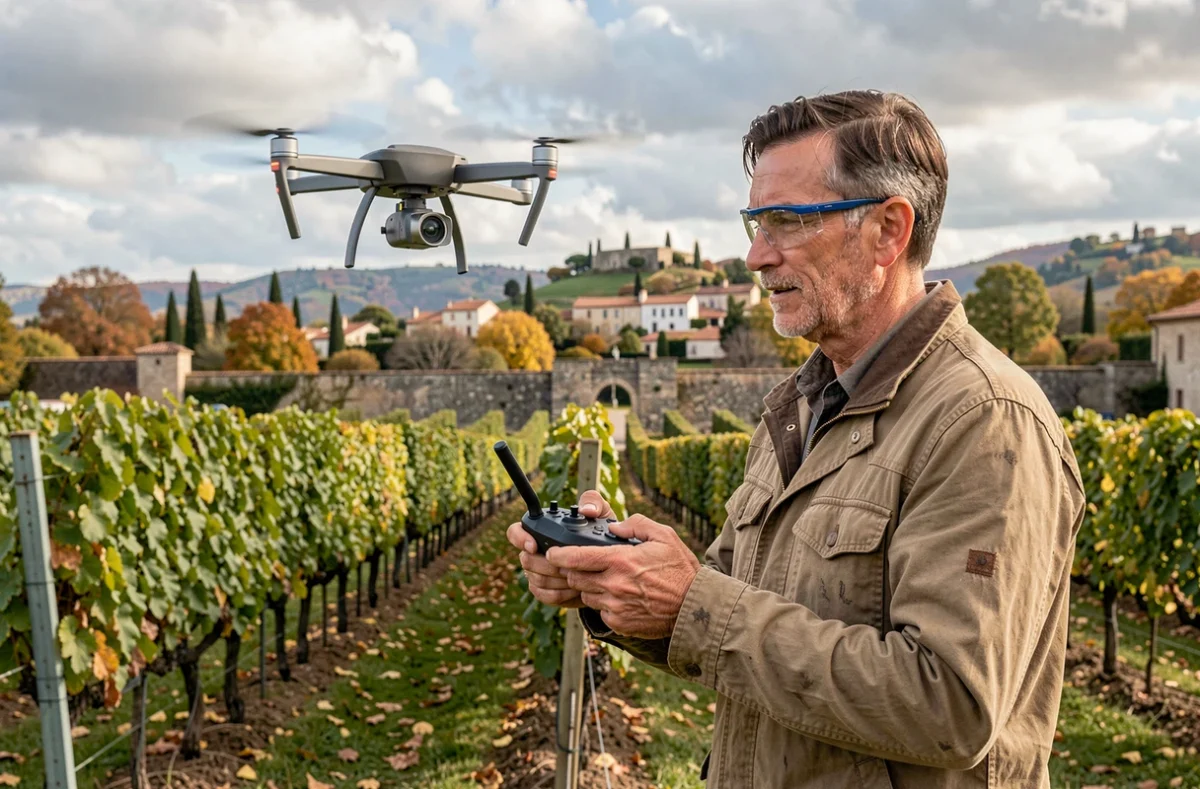
Field robotics is advancing in autonomous mechanical weeding, selective harvesting, and phytosanitary monitoring by drones. These segments respond to concrete constraints: a shortage of seasonal labor, regulatory restrictions on phytosanitary products, and pressure on production costs.
The real selection filter for these technologies remains their ability to operate in varied pedoclimatic conditions, on heterogeneous parcels, and with maintenance accessible remotely. Innovation that only works under suitable conditions has no place in an investment plan.
The agricultural world is experiencing an unprecedented convergence between European regulation, digital tools, and the transformation of economic models. Farms that anticipate these developments by integrating bioeconomy, data governance, and new European funding criteria position themselves on paths of medium-term resilience.