The numbers are striking: every year, millions of Lidl potting soil bags leave the shelves to land on French balconies, vegetable gardens, and window sills. At this price, one might expect major compromises, yet the product intrigues, sometimes disrupts, and often delights. Feedback accumulates, oscillating between pragmatic enthusiasm and reasoned reservations. Has Lidl potting soil forged a usurped reputation, or does it truly deserve its place in the carts of savvy gardeners?
Does Lidl potting soil really hold up? Initial observations and surprises
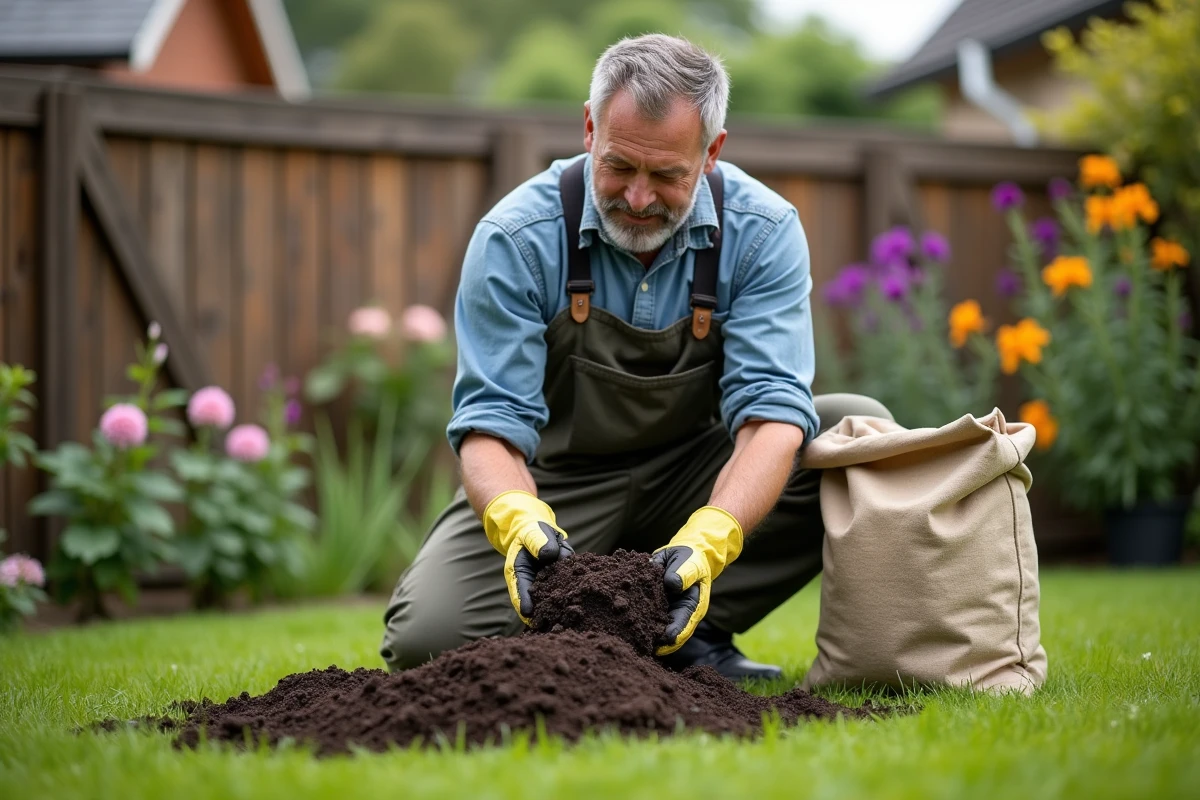
Upon opening, the texture impresses with its balance: neither clumps of fibers nor a compact block. This detail, far from trivial, appeals to those seeking a manageable product that is pleasant to work with. The smell, discreet, sets the tone: no dubious odors, but a promise of controlled composting. The price, however, remains the standout argument. While large retailers display prices sometimes twice as high, Lidl attracts a broad clientele, from curious novices to seasoned gardeners keeping an eye on their expenses.
In practice, the initial results are there: flowers and vegetables planted in this substrate show consistent growth and healthy foliage. Several reports emphasize the water retention, valuable for keeping roots cool, especially in planters or pots on exposed balconies. The structure of the potting soil, light and airy, facilitates the rooting of young plants, minimizing the risk of root asphyxiation.
Our survey gathered some unexpected remarks: the discovery of wood fragments in some bags, or the need to enrich the soil for particularly hungry plants. Nothing prohibitive, but adjustments to consider. This is the price of an assumed low cost, which does not burden itself with unnecessary refinements. For those wishing to delve deeper and compare other experiences, the review of Lidl potting soil on “Dédé dans son jardin” lists a wide range of situations, advice, and user feedback.
Lidl potting soil ticks the boxes that matter for many gardeners: effectiveness, moderate cost, adaptation to daily needs. It stands out as an accessible solution, without sacrificing the essentials. The recipe is appealing, and its success on the shelves reflects a strong demand for this compromise.
Quality, composition, usage: what you need to know before filling your pots
Spending less on potting soil, okay. But what should you really expect? The mix offered by Lidl combines mature compost, peat, wood fibers, and a fertilizer addition. This balanced composition creates a soft base, ideal for planting in pots or planters, both indoors and outdoors. Its airy structure allows water and air to pass through, reducing the risk of moisture saturation, particularly in tight containers.
Who is this potting soil for?
Some profiles of gardeners find this potting soil particularly suitable:
- Those who want to manage their budget without compromising the establishment of their plants.
- Amateurs seeking simplicity for their indoor or balcony plantings.
- Users attentive to the texture of the substrate and its influence on the growth of young plants.
However, it is important to keep a few points of caution in mind. Some wood pieces may remain, prompting the need to sift the soil for very fine seeds. But for everyday uses, Lidl potting soil gets the job done: it supports growth during the first months, whether for green plants or seasonal flowers. For more demanding species, an organic amendment during the season often proves beneficial.
The most meticulous gardeners remain attentive to the quality of the compost used. Feedback notes the absence of unpleasant odors upon opening, a sign of seriousness in manufacturing. It remains to adapt the recipe for the most particular plants, which sometimes require a customized mix. To explore other opinions or refine their choice, the complete file on Dédé dans son jardin remains a useful resource for confronting experiences and analyses.
Should you go for Lidl potting soil or aim higher? Our unfiltered comparison
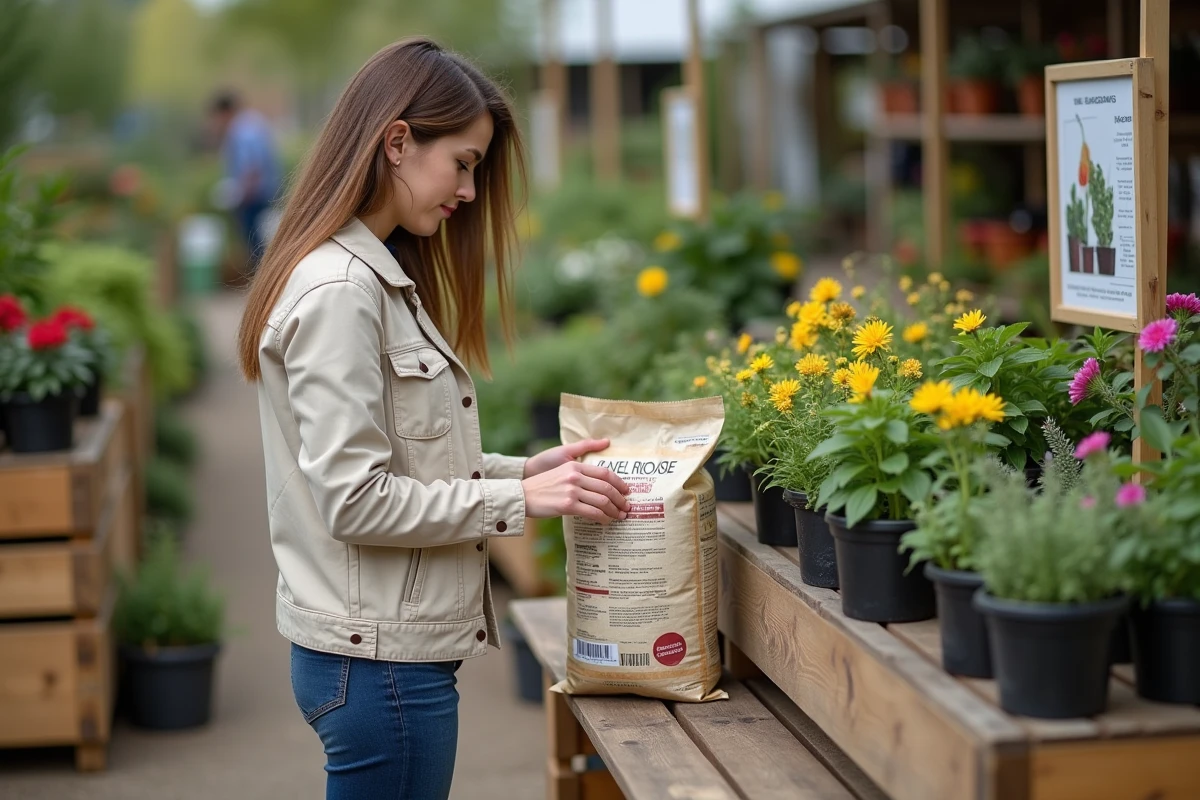
Low price, promise of yield: Lidl shakes up the sector with bags sometimes priced at half the median price. The strategy is clear: attract both newcomers and enthusiasts keen not to blow their budget during peak planting times. But the price alone is not enough.
Results in the garden: between expectations and reality
Tests on different types of plants confirm one thing: the quality of potting soil is measured by its ability to support actual growth, not just by its volume. For annual flowers, the substrate delivers on its promises, with consistent moisture and robust growth. Indoor plants with delicate roots benefit from a homogeneous texture, reminiscent of higher-end products. However, over time, differences emerge: more pronounced settling, the need to add compost or fertilizer to support long-term crops.
Here are the uses where Lidl potting soil proves relevant:
- Perfect for common plantings and gardeners vigilant about their budget
- Less suitable for demanding, perennial crops or those requiring enriched substrate
Our opinion on Lidl potting soil: it meets the challenge of economy and delivers satisfactory results for most indoor or balcony uses. Gardeners aiming for abundant yields or impeccable soil quality would do well to supplement this potting soil with an organic amendment or homemade compost. In the end, Lidl offers potting soil that gets the job done without frills, provided it is accompanied by a minimum of monitoring and common sense, to cultivate sustainably without missing the season.
For the price of a bag at Lidl, one has the opportunity to test, adjust, and sometimes be surprised. Those seeking perfection may pass by; others will enjoy the simple pleasure of watching things grow without breaking the bank.